
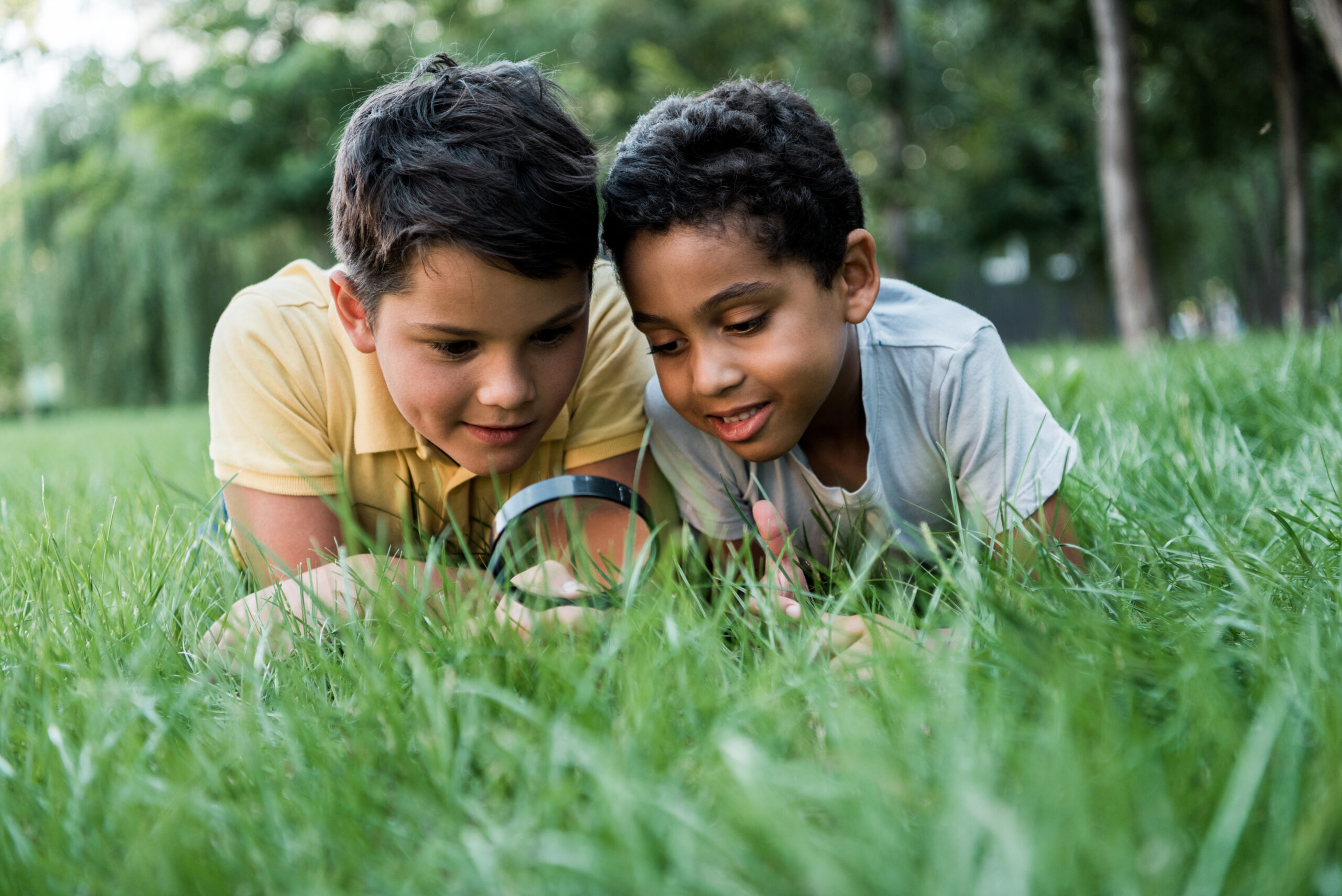
Our Approach
Finnish ideas. Massachusetts standards. A school for our region.
For decades, Finland has produced some of the world’s strongest student outcomes by trusting children to learn in the ways they’re built to learn. Ashby Evergreen draws on three of those principles — and adds a few of our own.
Time Outside
Children belong outdoors every day, in every season, as part of how they learn.
Learning Through Play
For young children, play is not a break from learning. It is learning.
Individualized Pacing
Every child learns at their own speed. We meet them where they are.
Well-Being First
Children learn best when they feel safe, rested, and known.
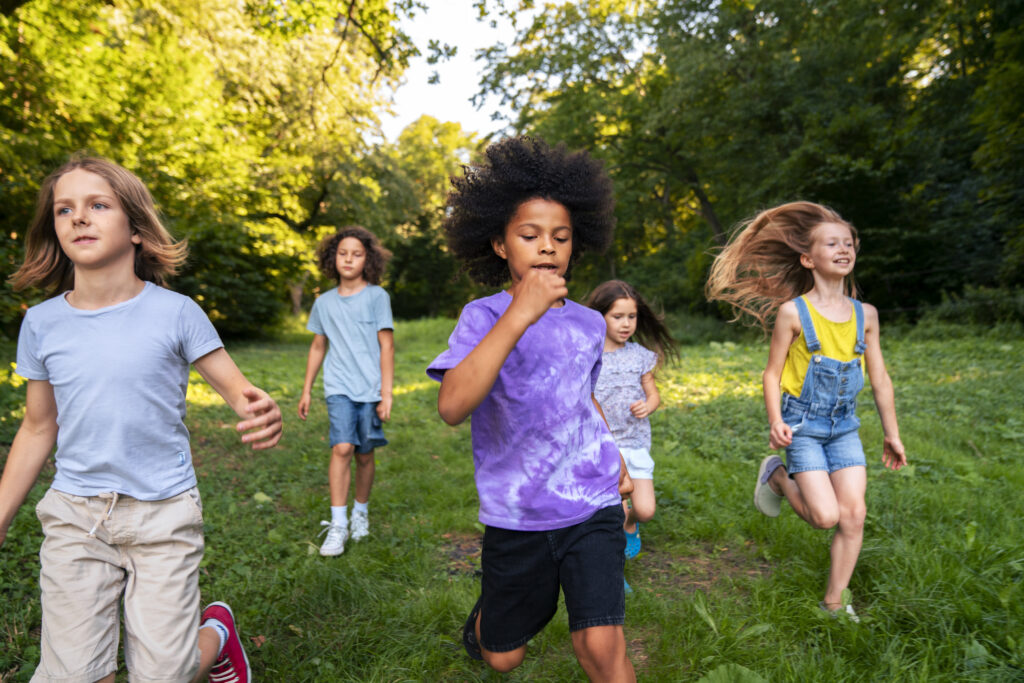
Outdoors, by design.
Children are not built to sit still for six hours a day. They are built to move, explore, climb, build, and discover. At Ashby Evergreen, time outside is not a reward or a special occasion it is woven into the day, every day, in every season.
Students will spend meaningful time outside the classroom: in recess, in lessons, in unstructured play, and in connection with the natural world around them. Research consistently shows that regular outdoor time improves focus, reduces stress, supports physical health, and deepens learning across every subject.
In Finland, children go outside between nearly every lesson, in nearly all weather. Ashby’s children deserve the same.
Play is how children learn.
When children play, they solve problems, negotiate with peers, test ideas, develop language, and build the cognitive foundations that formal academics will later rest on. Finnish schools formally recognize this, and so do we.
In our early grades, structured play and child-directed exploration are central to how we teach reading, math, science, and social skills. This does not mean less rigor. It means rigor in a form that matches how young minds actually develop. Children who learn through play arrive at academic work with stronger attention, deeper curiosity, and a lasting love of learning.
Every child, met where they are.
No two children learn at the same speed, and no child learns at the same speed in every subject. A six-year-old might be reading chapter books and still learning to count to twenty. Another might be building elaborate block cities and just beginning to recognize letters. Both are normal. Both deserve to be met where they are.
At Ashby Evergreen, students progress at their own pace. We provide individualized support for every child — not only for those who are struggling or those who are ahead, but for all students. Teachers will know each child as an individual learner, with strengths to build on and goals to grow toward.
This is one of the most distinctive features of the Finnish model: the assumption that every child can succeed when given the right support at the right time.
Calm minds, ready to learn.
Children cannot learn when they are anxious, exhausted, or disconnected. We design our school around the conditions that make learning possible — calm environments, strong relationships, predictable routines, and time to rest.
Well-being is not a soft add-on to academics. It is the foundation that real learning is built on.
Teachers are trusted professionals.
In Finland, teaching is a respected and demanding career. We will hire excellent teachers, give them the time and autonomy they need to do their work well, and trust them to make decisions in the best interest of their students.
Less testing. More learning.
We meet all Massachusetts academic standards and complete all required state assessments. But we do not organize our school around test preparation. Assessment, in our model, is a tool for understanding each child, not a measure of the school’s worth.

What a day looks like.
A morning at Ashby Evergreen might begin with a quiet arrival, time to settle in, and a brief gathering as a class. Lessons happen in focused blocks — broken up by movement, outdoor time, and play. Students work on tasks calibrated to where they are, not where the calendar says they should be. Teachers move among them, observing, prompting, and supporting.
There is laughter. There is concentration. There is the satisfaction of doing real work, alongside people you know and trust. It looks, in many ways, like the kind of school many parents wish they had attended.